
Visit our one room schoolhouse
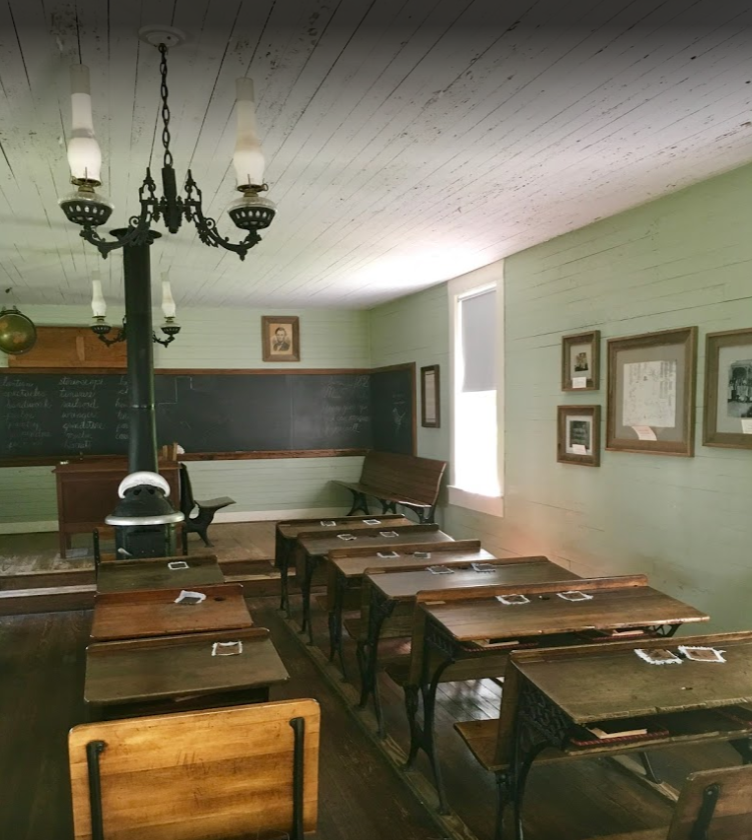
West Bay Common School Children’s Museum is a League City Historical Society project. This One Room Schoolhouse sits on the site of League City’s original school built in 1894 on land donated by JC League. The school provides a hands-on-history program where over 100,000 school aged children have experienced what a day was like in a one room school in the late 1800’s.

Plan a Field Trip
This could be your classroom for public schools, private schools, home schools, seniors, scouts, family groups, special meetings or parties.
Choose a date and come to experience a day at school in the 1890s and plan a picnic lunch. Advanced reservations are required.
WBCS Girl Scout San Jancinto Programs
the West Bay COmmon School Children’s Museum provides Girl Scouts local programs in a charming historical setting
Good Neighbor GS Daisy Workshop
Check back for future dates
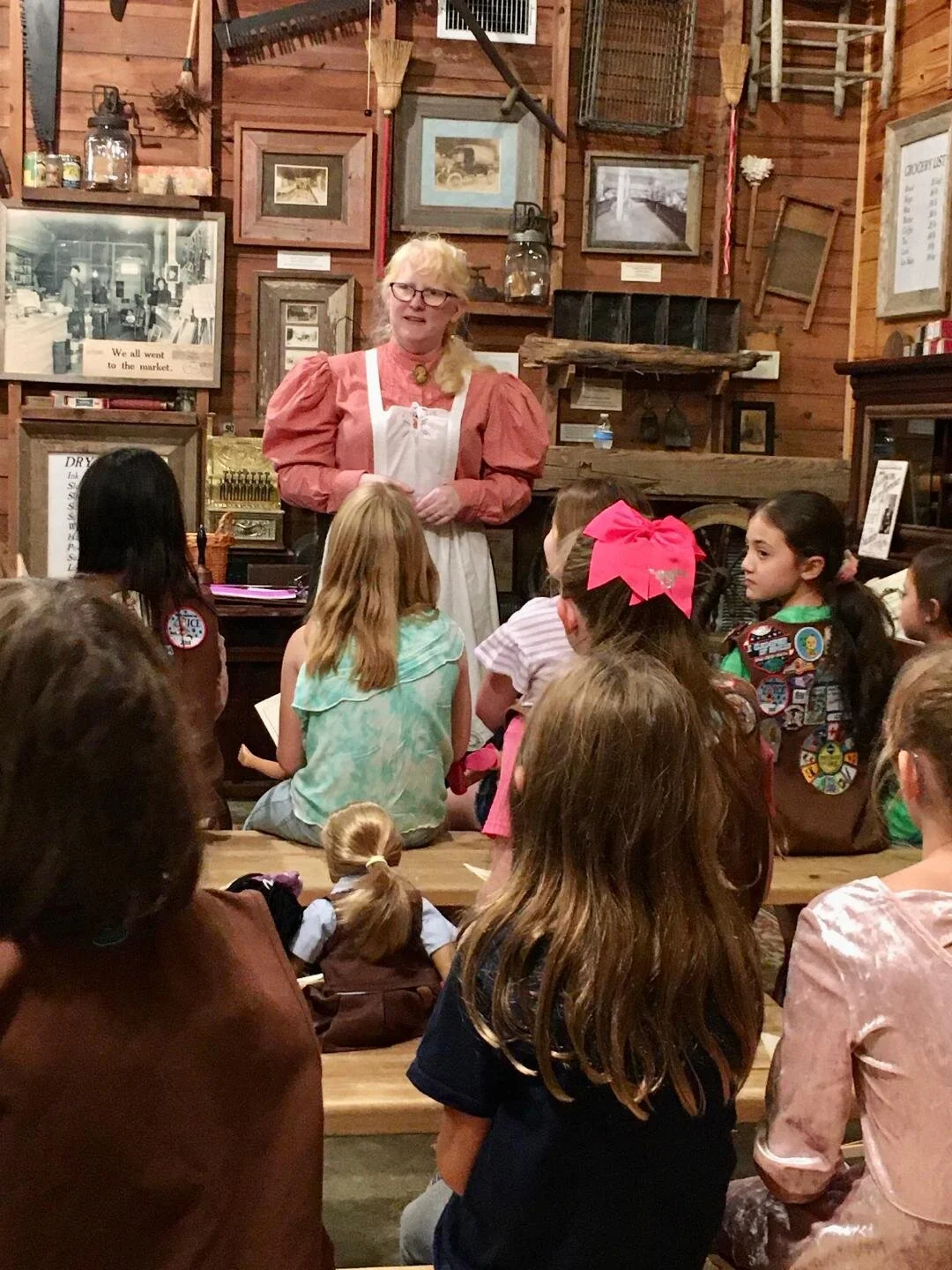
Find out how to be a good neighbor in your community! Learn about what it means to be a good citizen as we tour League City’s first Fire Station and first Ice House, as well as a real One Room Schoolhouse from 1898, all here on the museum’s grounds. We’ll also get to know Texas and why this area was once the Strawberry Capital of the South. We’ll end with a special Texas treat in our lovely Garden Classroom, yummmmm!

Flowers GS Junior Workshop
Check back for future dates
Everything is coming up roses with the return of the popular Junior Flowers Workshop! All steps required for badgework done with a vintage flair, from crafts to a science experiment to a flower hunt. Featuring Botanical Lessons inside the charming One Room Schoolhouse & lovely new Garden Classroom, complete with Victorian Schoolmarm.

Playing the Past GS Junior Workshop
Check back for future dates
Get ready to relive turn-of-the-century history! What was life like as a schoolgirl then, for Laura Ingalls Wilder or young Juliette Gordon Low? There will be chores, an outhouse, lively dancing & music from the player piano. Role play your character as we finish the program in our 1898 Schoolhouse complete with Schoolmarm. Get a taste for what school was really like & maybe come dressed the part!

Doll Collecting GS Workshop For all Levels
Check back for future dates
Learn about the art of dolls as you explore the third largest collecting hobby: doll collecting! We’ll go on an exhibit scavenger hunt, discover dolls through the generations, and find out just exactly what are little dolls made of. We will finish by making a Girl Scout Paper Doll to take home, complete with different historical uniforms through the decades. Collecting and playing with Paper Dolls was one of Juliette Low’s favorite pastimes!